
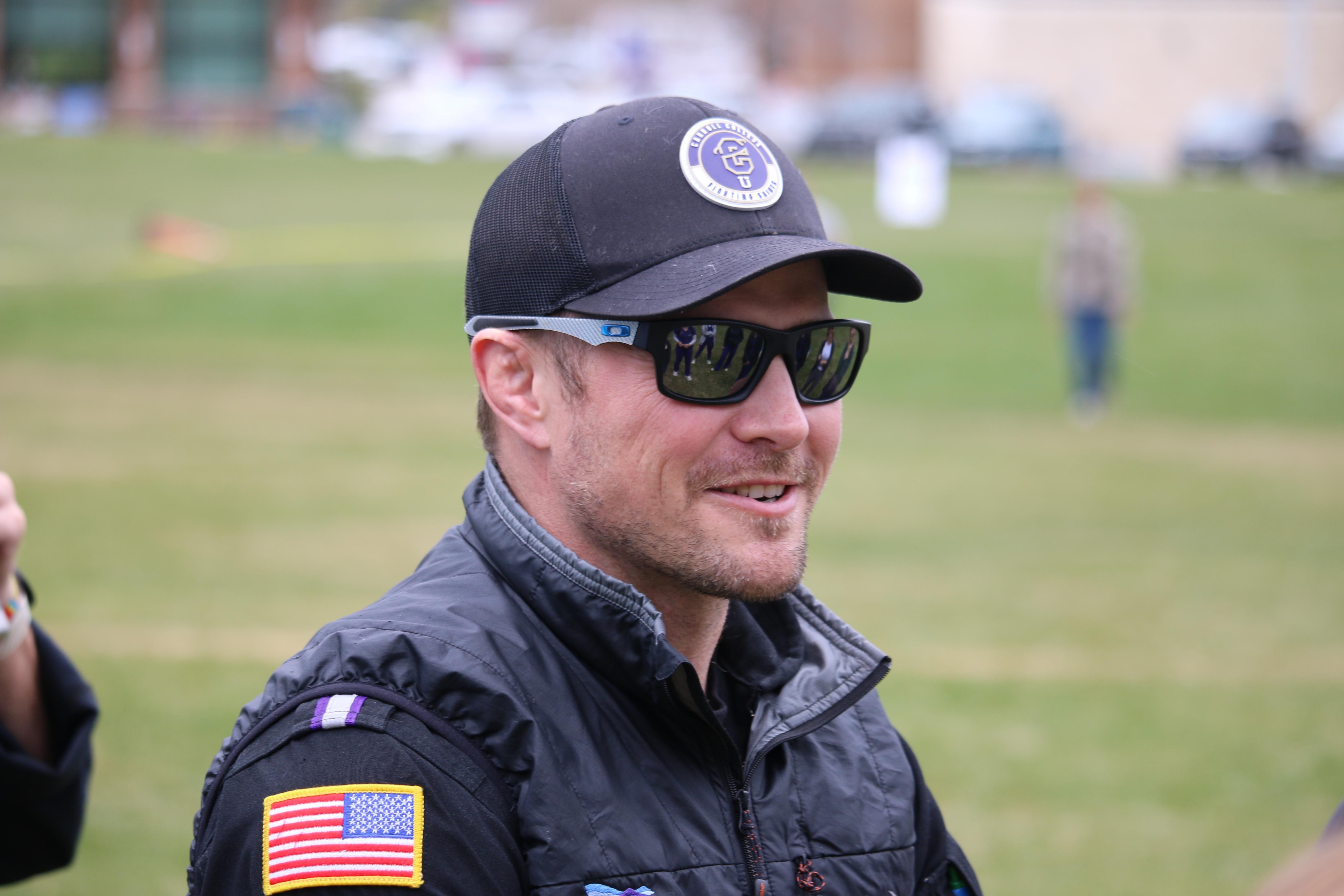
Ted Morigeau ’12 (#49), BSN, RN, CCRN
Nurse Manager, Billings Clinic MedFlight – Bozeman Rotor-Wing Operations
What is your current position and how did Carroll prepare you for your career?
I am currently the Nurse Manager for Billings Clinic MedFlight in Bozeman, where I’ve been operating our rotor-wing (helicopter) base for the past five years. Carroll College prepared me exceptionally well for the critical care and air medical environment. The nursing program’s strong emphasis on clinical reasoning, evidence-based practice, and compassionate, holistic care gave me the confidence to step directly into critical care right out of school. The rigorous academics, small class sizes, and supportive faculty pushed me to think critically and act decisively—skills that are essential in my current role managing a highly specialized and dynamic team.
What skills or knowledge did you learn throughout the nursing program that you found most useful in your career?
Carroll’s focus on assessment, prioritization, and communication laid the foundation for my career in critical care and leadership. In air medical nursing, every decision carries weight, and the ability to think critically under pressure is vital. The program’s emphasis on ethical decision-making, teamwork, and service to others shaped how I approach both patient care and leadership in the high-acuity, fast-paced world of flight nursing.
What skills have you found most useful in your professional life? Do you have advice on how current students can cultivate these skills?
Adaptability, calm under pressure, and clear communication have been the most valuable skills in my career. Managing a flight team and caring for critically ill patients requires the ability to anticipate needs, stay composed, and work seamlessly with multiple disciplines. My advice to current students is to be present and engaged during every clinical experience. Ask questions, seek feedback, and learn to trust your training. The ability to stay curious and reflective will serve you well in any nursing specialty.
How has nursing changed during the years you have been a nurse?
Nursing has evolved significantly in both complexity and scope. Technology now plays a major role in how we assess, monitor, and communicate with patients and providers. In critical care and air medical transport, we use technology as a powerful resource to deliver the best and most timely care possible—from advanced monitoring systems to telemedicine support during transports. At the same time, it’s more important than ever to balance these tools with genuine human connection. The heart of nursing remains in compassion and communication, even as our tools and systems advance.
What advice would you give to someone just starting out in the nursing profession?
Stay humble, curious, and resilient. Nursing will challenge you in ways you can’t predict, but every challenge is an opportunity to grow. Find mentors who inspire you, and never hesitate to ask for help or guidance. Remember why you chose this path—your “why” will carry you through the hardest days.
Something that has always stuck with me came from Professor Lisa McMahon at our pinning ceremony, when she told us to “be the purple cow.” In other words, don’t just blend in—stand out. Be the nurse who goes the extra mile, who brings both competence and compassion to every patient encounter. Strive to be memorable for your kindness, professionalism, and integrity. And above all, take care of yourself; being a strong nurse means prioritizing your own well-being so you can continue caring for others.
What are the current or upcoming challenges in your area of nursing?
In air medical and critical care transport, we face challenges such as staffing shortages, increasing patient acuity, and the logistics of providing complex care in rural and remote areas. Weather, geography, and limited access to specialty resources all add layers of complexity. Additionally, the rising costs of healthcare—particularly within the air medical field—pose growing challenges. Operational costs continue to increase due to equipment, training, and regulatory demands, yet reducing the cost burden for our patients remains our utmost priority. Striking that balance—maintaining safety, quality, and affordability—is something we work toward every day. Another ongoing priority is ensuring that our teams maintain both clinical excellence and emotional resilience while operating in such high-stress environments.
What brings you joy? :-)
What brings me joy is knowing that I get to lead an incredible team of flight nurses, paramedics, and pilots who make a real difference when seconds matter most. It’s deeply rewarding to be part of a mission that serves patients and families during some of their most critical moments. Outside of work, I find joy in spending time with my wife, Ylena—also a Carroll College Nursing alumna—our daughter, Teddy, and our growing family as we look forward to welcoming a baby girl in December. I also love spending time outdoors in Montana and seeing new nurses enter the field with the same passion and purpose that Carroll helped instill in me.